Are These 12 Italian Stereotypes Actually True?
On this page
Stereotypes can mix familiar cultural traditions with unsupported assumptions about individuals. This article examines twelve common ideas about Italy and explains where generalizations can mislead.
Italian Stereotype #1: Italians LOVE tomatoes
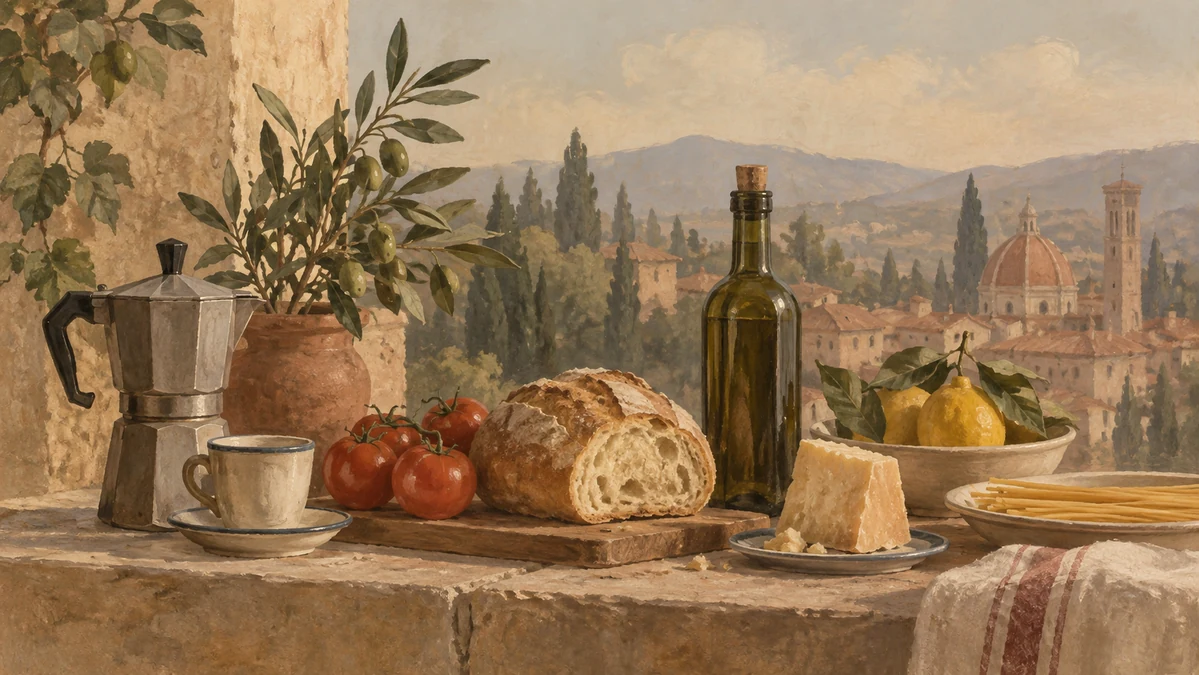
Tomatoes are important in many Italian dishes, including numerous pasta sauces, pizzas and salads. That does not mean every Italian likes them or that most dishes contain them: regional cooking also includes many tomato-free recipes.
Bruschetta al pomodoro is toast topped with tomato. Organic produce is not automatically tastier, and a person’s dislike of a Bloody Mary is a preference rather than a national rule.
Italian Stereotype #2: Pasta Everyday?
Pasta is a familiar part of Italian cooking, but frequency varies by household and person. Some people eat it often, while others avoid it or prefer different foods. Nationality does not determine whether someone likes pasta, sushi or any other dish.
Risotto also has a strong place in Italian cuisine, especially in many northern traditions. It is not reasonable to infer Italians’ tastes from comparisons with other countries.
Italian Stereotype #3: Pizza everyday?
Pizza can be a social meal, a takeaway or a quick lunch. How often someone eats it is an individual choice; there is no fixed weekly or monthly schedule for Italians.
Pizza rossa has tomato, while pizza bianca does not. Styles and toppings vary, and these terms are broad descriptions rather than a complete classification.
Italian Stereotype #4: Gelato (ice-cream) all the time?
Gelato is popular in warm weather and is also sold and eaten at other times of year. Its popularity does not tell us how often any particular Italian person eats it.
Un cono is a cone and una coppetta is a cup: useful words when ordering.
Italian Stereotype #5: Italy is a land of caffè (coffee) addicts
Espresso and the neighborhood bar are familiar parts of Italian daily life. Some people drink several coffees, some drink decaffeinated coffee, and others do not drink coffee at all.
The number of cups someone tolerates is not a test of health or nationality. The original hospital anecdotes do not establish a safe caffeine dose. For language practice, you can ask for un caffè decaffeinato or say Non bevo caffè.
Italian Stereotype #6: The Italians are (too) talkative
Conversation is central to many social occasions, but people can be chatty or reserved in every country. A lively group of friends does not represent every Italian personality.
Italian Stereotype #7: Italian people live long lives
Italy has high life expectancy in European comparisons. Istat’s figures for 2025 estimate 81.7 years for men and 85.7 for women. These are population averages, not predictions for an individual.
Longevity has many influences, and a description of selected “Blue Zone” communities does not establish why every Italian person lives longer. Regional and personal differences matter.
Source: Istat, demographic indicators for 2025.
Italian Stereotype #8: The Italians are always fashionable
Italy is home to influential fashion houses and design traditions. People still dress in many different ways, from casual sportswear to formal clothing, depending on work, taste, budget and occasion. Designer clothing is not a requirement for visiting Italy.
Italian Stereotype #9: Italian men are handsome
Attractiveness is subjective, and Italian men do not have one shared appearance. Regional beauty rankings and claims that northerners or southerners look a particular way turn personal preferences into misleading generalizations.
Italian Stereotype #10: The Italians are all Christians
Italy has a strong Catholic history, but its residents include people of many religions and people with no religious belief. Religious identity and participation vary. Do not assume someone’s beliefs from their nationality or from the country’s relationship with the Vatican.
Italian Stereotype #11: The Terrible Italian Mafia… and the equally terrible politicians
Organized crime is a serious topic, but it does not define Italian people. It is also misleading to frame it as a concern only in southern Italy. Official investigations examine networks and activities across wider areas, including international connections.
Roberto Saviano’s Gomorra discusses the Camorra in and around Naples. A book about organized crime is not a substitute for current, destination-specific travel information. Opinions about politicians also vary and should not be treated as a shared national character.
Read the Direzione Investigativa Antimafia’s official reporting.
Bonus Italian Stereotype: The Italians are very romantic and passionate
Romance and affection depend on the person and relationship. Neither a nationality nor a region guarantees a particular romantic style. Media images of the passionate Italian should be treated as a stereotype, not as a guide to choosing a partner.
What do you think of the list? Do you agree or do you have more stereotypes about the Italians and Italy to add? Let us know what you think in the comments section below.